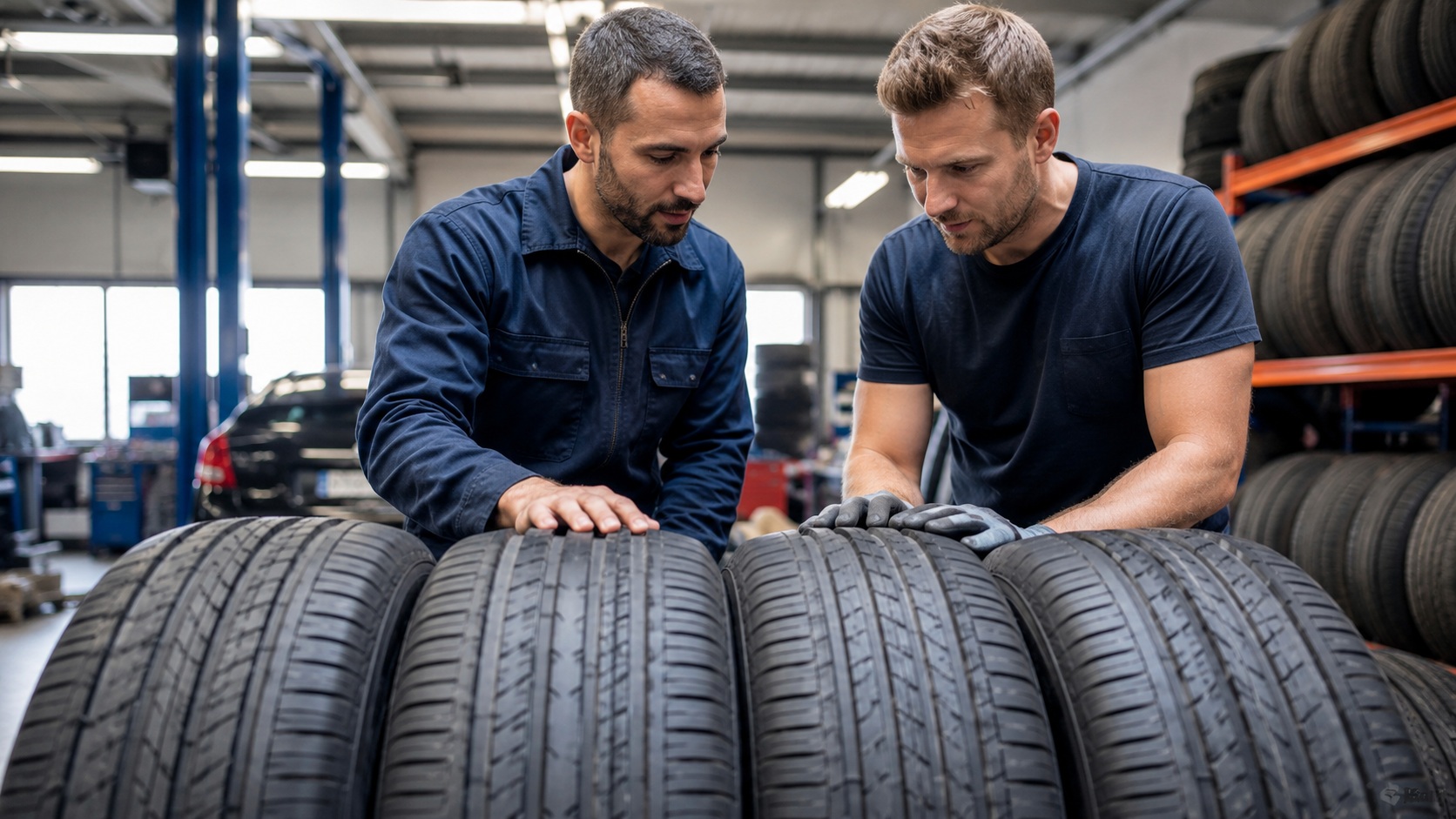
Are Bridgestone Tires a Good Choice?
Yes, Bridgestone tires offer a combination of quality, safety, and sustainability that makes them a great option for many drivers. With a strong reputation and a diverse product range, Bridgestone consistently delivers reliable performance.
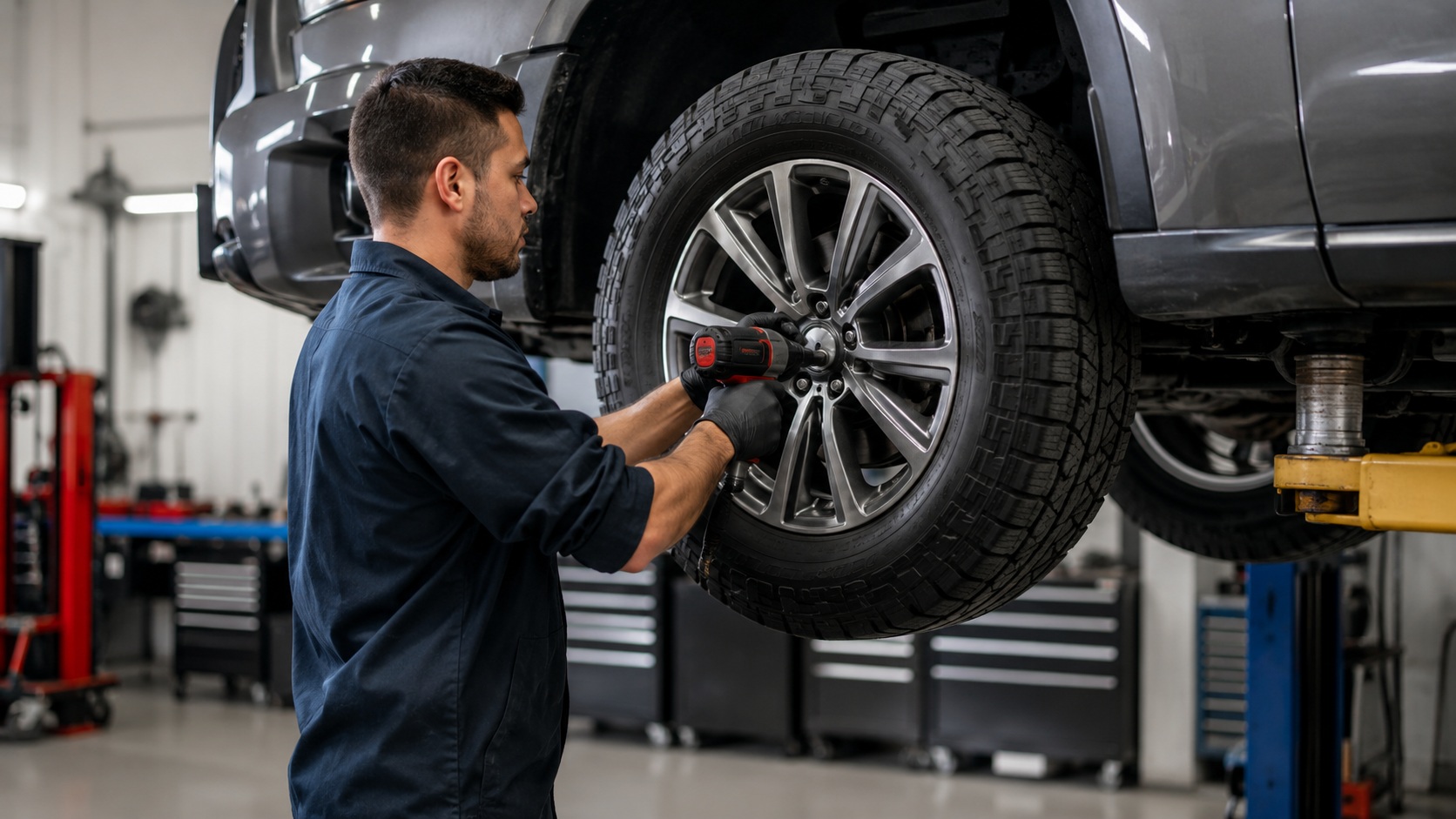
Why Choose Bridgestone Tires
- Quality and Safety: Known for their durability, longevity, and advanced safety features.
- Global Leader: A trusted brand with a long history of innovation.
- Wide Range of Options: Tires for all vehicles and driving styles.
- Sustainability: Committed to environmentally responsible practices.
Pros and Cons
Like any major tire brand, Bridgestone earns strong marks in most areas while carrying a few trade-offs worth knowing before you buy.
| Pros | Cons |
|---|---|
| Performance: Excellent handling, traction, and braking across most road conditions. | Pricing: Some Bridgestone models sit at a higher price point than budget brands. |
| Safety: Advanced safety technologies for a confident, predictable ride. | Model variation: A few specific models may not lead every performance category — matching the right model to your use case matters. |
| Durability: Long-lasting tires with reliable tread life when properly maintained. | Noise on some all-seasons: A handful of reviewers note road noise at highway speeds on certain all-season lines — worth asking about if a quiet cabin is a priority. |
| Sustainability: Ongoing focus on eco-friendly compounds and manufacturing practices. | Tread life varies by model: Higher-performance tires in the lineup tend to wear faster than touring or all-season options. |
What Drivers Say
Real-world feedback from Bridgestone owners is largely positive, particularly for all-season and touring models used in everyday driving. Drivers frequently highlight wet-road confidence, predictable braking, and consistent performance across seasons. Those who report concerns most often point to price relative to budget alternatives or note that performance tires in the lineup wear more quickly — which is a trade-off common to high-grip compounds across all brands.
The most consistent takeaway from experienced drivers: choosing the right Bridgestone line for your vehicle and driving style matters more than the brand name alone. A touring tire for a daily commuter and a performance tire for a sport sedan serve very different purposes, and Bridgestone makes both well.
Matching the Right Bridgestone Model to Your Driving
| Driving pattern | What to look for | Why it matters |
|---|---|---|
| Daily commuting and errands | All-season comfort, wet traction, treadwear warranty | Connecticut weather means rain, frost, and temperature swings — an all-season with strong wet grip covers most conditions reliably. |
| Early-morning winter travel | Winter-rated options or dedicated snow tires | Dedicated winter tires outperform all-seasons significantly once temperatures drop below 45°F. |
| SUV, truck, or towing | Correct load index, highway tread, low road noise | The right load rating protects both the tire and the vehicle under weight. |
| Sportier or performance driving | Handling response, temperature rating, expected tread life | Performance compounds grip better but wear faster — set the right expectations up front. |
Questions to Ask Before You Buy
- Is this the manufacturer-recommended size and load rating for my vehicle?
- Does my driving call for an all-season, winter, touring, or performance tire?
- What treadwear warranty applies, and what maintenance schedule keeps it valid?
- Will installation include balancing, and should alignment be checked at the same time?
Bridgestone Tire Lines, and Which One Fits You
Bridgestone is the world’s largest tire manufacturer and also owns Firestone. Its lineup is organized into families, and picking the right family matters far more than the brand name. Availability and exact names change over time — confirm current options for your size at the shop.
| If you drive… | Look at these Bridgestone lines | Best for |
|---|---|---|
| A car or crossover, everyday comfort | Turanza (e.g. QuietTrack) | Quiet, comfortable touring all-seasons with long tread life and strong wet grip |
| Maximum fuel efficiency | Ecopia | Low rolling resistance for better MPG (and EV range) |
| A sporty car, spirited driving | Potenza | Sharp handling and grip; performance compounds wear faster |
| An SUV or light truck | Dueler and Alenza | Comfort, quietness, and load capacity for crossovers, SUVs, and trucks |
| Real winter conditions | Blizzak (dedicated winter) | One of the most respected winter tires for snow and ice traction |
| Peace of mind against flats | DriveGuard (run-flat) | Keep driving a limited distance after a puncture, at reduced speed |
Bridgestone in Snow and Wet Weather
For Connecticut, watch for the three-peak mountain snowflake (3PMSF) symbol, which certifies real snow traction — a step beyond the basic “M+S” all-season marking. Bridgestone’s winter flagship, the Blizzak, is widely regarded as one of the best winter tires available and clearly outperforms any all-season once temperatures drop and roads turn icy. If you’d rather run one set year-round, ask about all-season and touring models with strong wet and light-snow performance — but for regular winter driving, a dedicated Blizzak set is hard to beat.
Getting the Right Size and Load Rating
Before comparing Bridgestone models, start with fitment. NHTSA recommends buying the same tire size as the original tires, or another size specifically recommended by your vehicle manufacturer. Your size and the correct load and speed ratings are on the driver-side door-jamb label and in the owner’s manual (for example, a code like 225/65R17 102H). Matching the load index is especially important on SUVs, trucks, and anything you tow or load heavily — an under-rated tire is a safety risk. When in doubt, confirm with a tire professional before changing sizes.
Treadwear, Warranty, and How Long Bridgestone Tires Last
Tread life depends far more on the tire category and how you drive than on the badge. As a general guide, long-wear touring all-seasons tend to last the longest, everyday all-seasons fall in the middle, and high-grip performance tires wear the fastest because softer rubber trades longevity for grip. Manufacturers publish a mileage treadwear warranty on many (not all) models — always confirm the current warranty for the exact model and size, and note that keeping the warranty valid usually requires documented rotations and proper inflation.
Regardless of brand, replace a tire once the tread reaches 2/32 of an inch — the legal minimum. A quick check: insert a penny into a groove with Lincoln’s head upside down; if you can see the top of his head, the tire is worn out. Many drivers replace a little earlier (around 4/32") because wet-weather grip drops off well before the legal limit. Also replace tires that are aging out (roughly 6–10 years old regardless of tread) or show sidewall cracking, bulges, or repeated pressure loss.
Experience the Bridgestone Difference
Visit Victor Auto Body Works in Middletown to explore Bridgestone tire options and get expert advice. Our team will help you select the perfect tire for your vehicle and driving style.
Call (860) 346-8800 or visit us at 590 Washington Street to schedule a consultation or learn about current deals.

