Everything You Need to Know Before Buying Michelin Tires
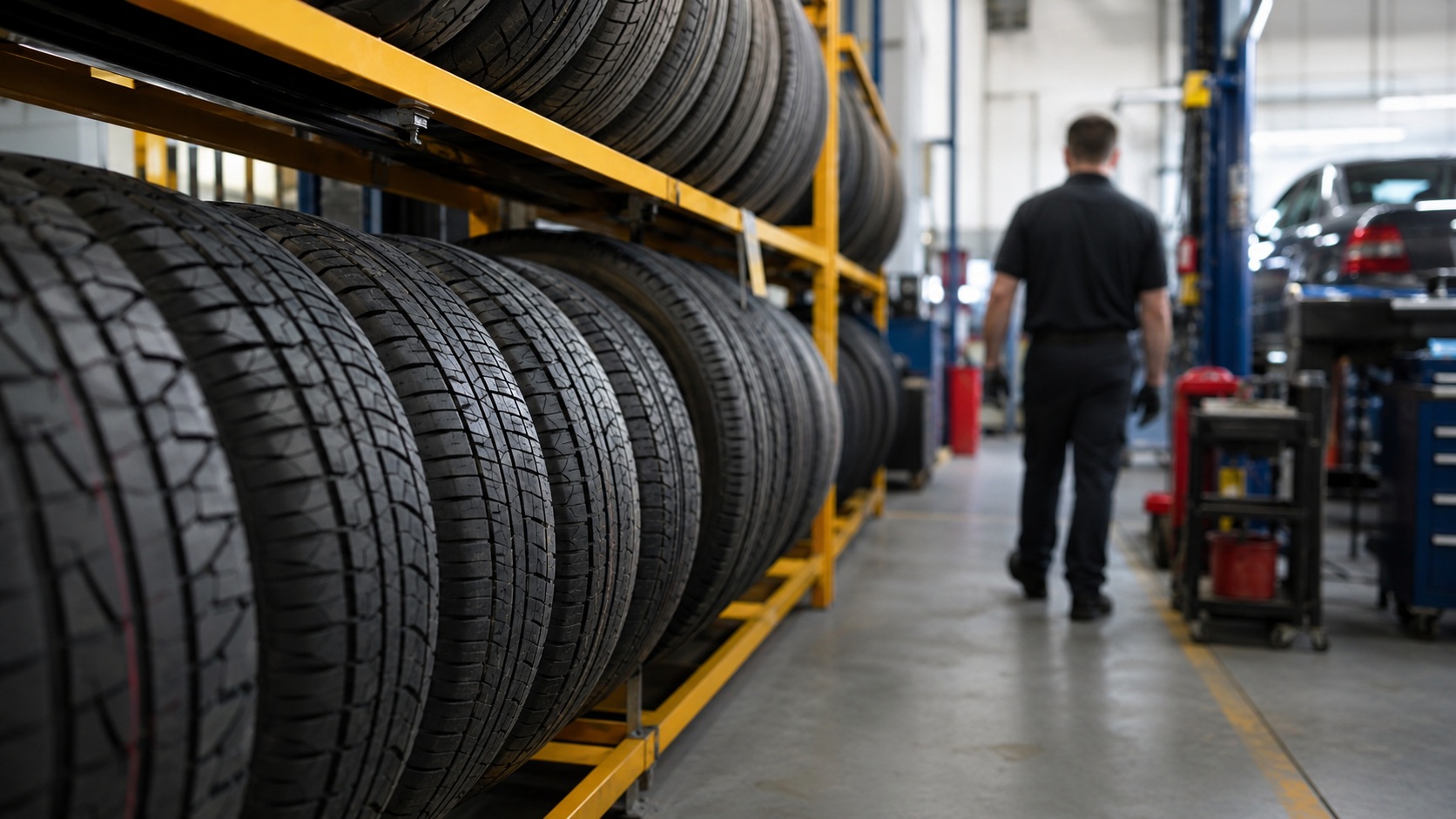
Michelin offers passenger-car, SUV, truck, touring, performance, and seasonal tire options. Before buying, match the specific model to your vehicle and driving conditions rather than assuming the most expensive option is automatically the best fit.
Step 1: Confirm Size and Load Requirements
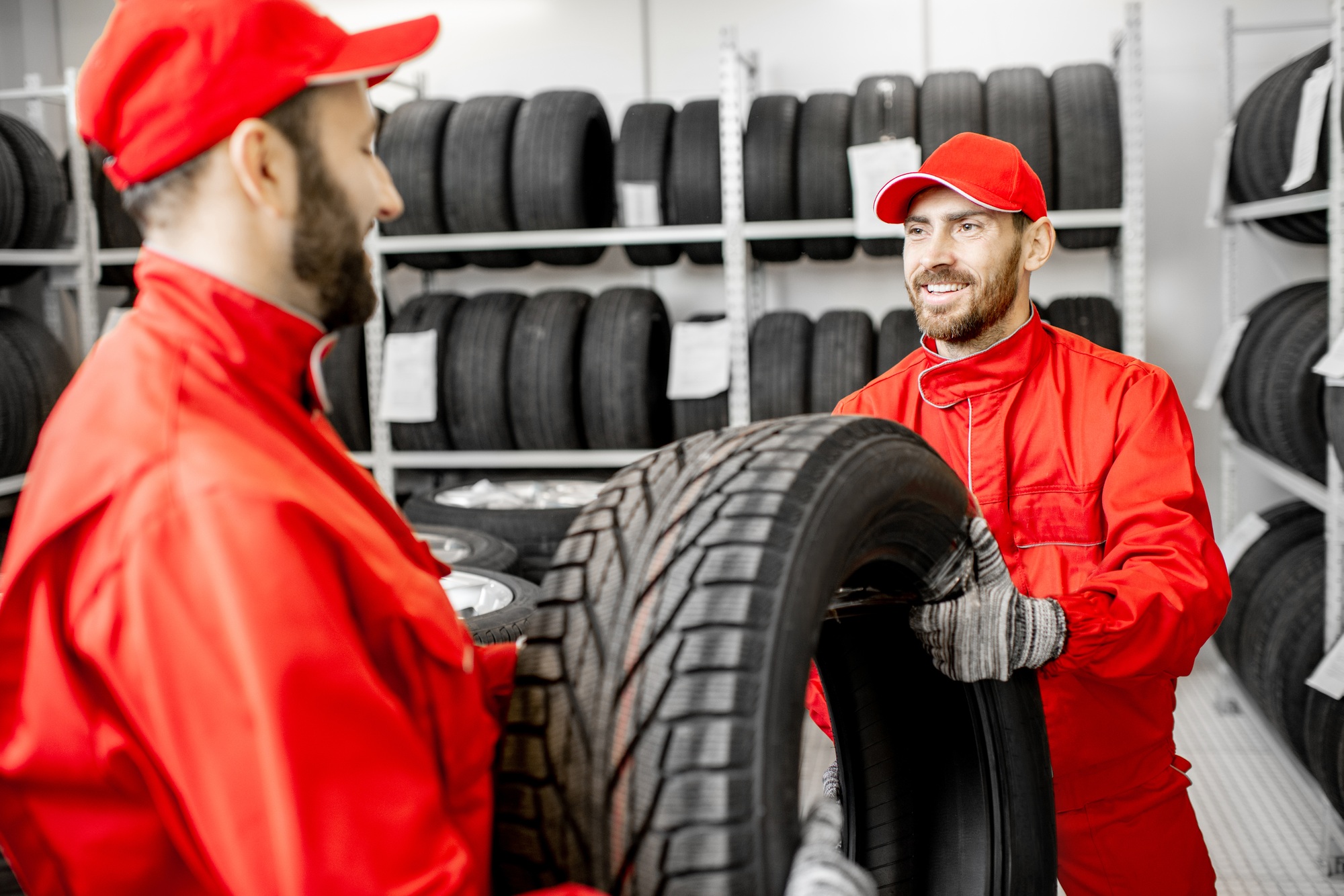
Check the driver-side door label and owner’s manual. NHTSA recommends using the original tire size or another size recommended by the vehicle manufacturer.
Step 2: Match the Tire Category to Your Driving
| Driving pattern | What to discuss with the tire shop |
|---|---|
| Mostly local commuting | Comfort, wet traction, tread life, and road noise |
| Frequent highway trips | Touring characteristics, longevity, and ride comfort |
| Snowy early-morning travel | Winter tire options and cold-weather traction |
| Sportier vehicle | Handling response, temperature range, and tread-life tradeoffs |
Step 3: Plan for Maintenance After Installation
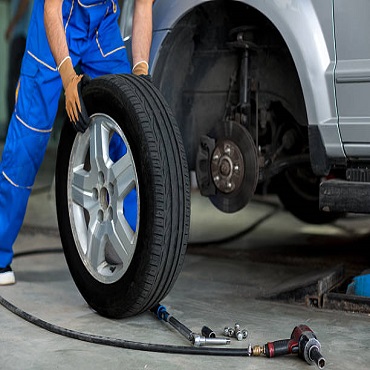
Buying the tire is the beginning, not the end. Check pressure monthly when tires are cold, inspect tread and sidewalls, follow the vehicle manufacturer’s rotation guidance, and address alignment concerns if the vehicle pulls or tread wears unevenly.
A Real-Life Example: The Quiet Highway Tire vs. the Winter Commute
Example: A driver who spends most of the week on Route 9 may prioritize quiet highway comfort and tread life. A driver leaving home before plows reach neighborhood roads may want to discuss dedicated winter tires. Both can be reasonable choices, but they solve different problems.
Review NHTSA TireWise before your appointment and bring your questions with you.
Where Michelin Stands
Michelin is a French company that consistently ranks at or near the top of independent tests for tread life, safety, and all-around performance, and it owns the BFGoodrich and Uniroyal brands. That reputation is the main reason Michelin tires often cost more — you’re paying for longevity and engineering that frequently lowers the cost-per-mile over the life of the tire, even when the sticker price is higher.
Michelin Tire Lines, and Which One Fits You
Here is how Michelin’s core families break down. Availability and exact names change over time — confirm current options for your size at the shop.
| If you drive… | Look at these Michelin lines | Best for |
|---|---|---|
| A car or crossover, everyday driving | Defender (e.g. Defender2) | Long tread life and a comfortable, quiet all-season ride |
| A car/SUV in all four seasons | CrossClimate2 | An all-weather tire with the 3PMSF snow rating — excellent one-set option for Connecticut |
| A comfort/luxury feel | Primacy | Quiet, refined touring comfort |
| A sporty car, spirited driving | Pilot Sport (e.g. Pilot Sport All Season 4, PS4S) | Class-leading handling and grip; performance compounds wear faster |
| A truck or SUV | Defender LTX M/S, LTX A/T | Durability, load capacity, and all-season or light off-road traction |
| Real winter conditions | X-Ice (dedicated winter) | Strong cold-weather, snow, and ice traction |
Michelin in Snow and Wet Weather
Look for the three-peak mountain snowflake (3PMSF) symbol for certified snow traction. Michelin’s CrossClimate2 is a standout all-weather tire that carries it — a practical single-set choice for drivers who see Connecticut winters but don’t want to swap tires seasonally. For frequent ice and deep snow, the dedicated X-Ice winter tire performs best in the cold months. The basic “M+S” marking, by contrast, is not a true winter rating.
Getting the Right Size and Load Rating
Before comparing Michelin models, start with fitment. NHTSA recommends buying the same tire size as the original tires, or another size specifically recommended by your vehicle manufacturer. Your size and the correct load and speed ratings are on the driver-side door-jamb label and in the owner’s manual (for example, a code like 225/65R17 102H). Matching the load index is especially important on SUVs, trucks, and anything you tow or load heavily — an under-rated tire is a safety risk. When in doubt, confirm with a tire professional before changing sizes.
Treadwear, Warranty, and How Long Michelin Tires Last
Tread life depends far more on the tire category and how you drive than on the badge. As a general guide, long-wear touring all-seasons tend to last the longest, everyday all-seasons fall in the middle, and high-grip performance tires wear the fastest because softer rubber trades longevity for grip. Manufacturers publish a mileage treadwear warranty on many (not all) models — always confirm the current warranty for the exact model and size, and note that keeping the warranty valid usually requires documented rotations and proper inflation.
Regardless of brand, replace a tire once the tread reaches 2/32 of an inch — the legal minimum. A quick check: insert a penny into a groove with Lincoln’s head upside down; if you can see the top of his head, the tire is worn out. Many drivers replace a little earlier (around 4/32") because wet-weather grip drops off well before the legal limit. Also replace tires that are aging out (roughly 6–10 years old regardless of tread) or show sidewall cracking, bulges, or repeated pressure loss.
Why Michelin Costs More — and When It’s Worth It
Michelin’s premium pricing usually buys longer tread life, strong wet and dry safety performance, and a quiet, refined ride. If you keep vehicles a long time and drive a lot of miles, the higher upfront price often works out to a competitive or lower cost per mile. If you’re planning to sell the vehicle soon or drive very few miles, a strong mid-tier tire may be the smarter spend. Either way, match the specific line to your driving rather than assuming the most expensive option is automatically the best fit.
Buy, Fit, and Maintain Your Tires in Middletown, CT
The tire is only as good as the fit and the installation behind it. At Victor Auto Body Works we help you match the right line and size to your vehicle, mount and computer-balance every tire, service your TPMS sensors, and check your wheel alignment so your new tires wear evenly from day one. See our full tire sales and service page, or contact us for a free estimate — we serve Middletown and the surrounding towns from 590 Washington Street.

